
Hip and Knee Replacements
Dr Sushant Shrivastava - Knee Replacement Surgeon In Pimpri Chinchwad
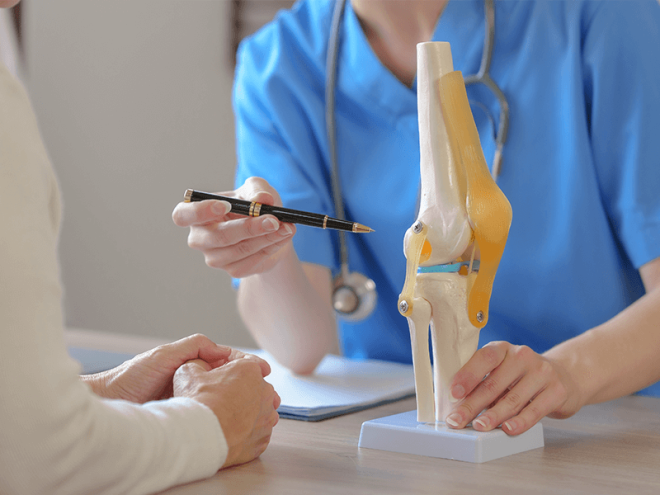
Knee pain can gradually affect every aspect of your daily life. Activities such as walking, climbing stairs, sitting for long periods, or even getting out of bed can become difficult when the knee joint is severely damaged. While many knee conditions can be managed with medications, physiotherapy, weight management, and lifestyle changes, some patients with advanced joint damage may benefit from knee replacement surgery. If you are looking for an experienced Knee Replacement Surgeon In Pimpri Chinchwad, Dr. Sushant Shrivastava provides comprehensive evaluation and personalized treatment to help patients regain mobility and live with less pain.
For patients with sports injuries, ligament tears, or cartilage damage that do not require joint replacement, consulting an Arthroscopic Surgeon In Pimpri Chinchwad may be the appropriate first step. Arthroscopy and knee replacement are different procedures, and the right treatment depends on the underlying condition, the severity of joint damage, and the patient’s overall health.
Knee replacement surgery is among the most successful orthopedic procedures performed worldwide. According to the American Academy of Orthopaedic Surgeons (AAOS), most patients experience significant pain relief, improved mobility, and better quality of life after successful knee replacement surgery followed by proper rehabilitation.
What Is Knee Replacement Surgery?
Knee replacement surgery, also known as knee arthroplasty, is a procedure in which damaged cartilage and worn bone surfaces of the knee are replaced with artificial implants. These implants are designed to restore smooth movement, improve joint function, and reduce chronic pain caused by severe arthritis or other knee conditions.
Depending on the extent of joint damage, the surgeon may recommend:
- Total knee replacement
- Partial knee replacement
- Revision knee replacement for previously replaced joints
The choice of procedure depends on clinical evaluation, imaging findings, age, activity level, and the patient’s individual needs.
Who May Need a Knee Replacement?
Many patients live with knee pain for years before seeking medical care. While surgery is not always necessary, persistent pain that limits normal activities should not be ignored.
You should consider consulting a Knee Replacement Surgeon In Pimpri Chinchwad if you experience:
- Severe knee pain during walking
- Difficulty climbing or descending stairs
- Knee stiffness after resting
- Pain that disturbs sleep
- Swelling that persists despite treatment
- Limited knee movement
- Bowing or deformity of the knee
- Poor response to medications or physiotherapy
Early orthopedic evaluation allows your surgeon to recommend the most suitable treatment before the condition worsens.
Common Conditions That May Require Knee Replacement
Knee replacement surgery is generally considered when the knee joint has sustained significant damage and conservative treatment has not provided lasting relief.
Some common conditions include:
- Osteoarthritis
- Rheumatoid arthritis
- Post traumatic arthritis
- Advanced cartilage degeneration
- Severe knee deformity
- Chronic joint damage following injury
- Avascular necrosis affecting the knee
A detailed clinical examination, X rays, and sometimes MRI scans help determine whether knee replacement is the most appropriate treatment.
Benefits of Knee Replacement Surgery
Advances in orthopedic surgery have made knee replacement a highly reliable procedure for carefully selected patients.
Some of the key benefits include:
- Significant reduction in chronic knee pain
- Improved walking ability
- Better joint stability
- Increased range of motion
- Enhanced quality of life
- Greater independence in daily activities
- Improved participation in low impact physical activities
According to the National Institute of Arthritis and Musculoskeletal and Skin Diseases (NIAMS), successful knee replacement surgery combined with rehabilitation allows many patients to return to normal daily activities with improved comfort and function.
How Knee Replacement Surgery Is Performed
The exact surgical technique depends on the patient’s condition and the type of knee replacement being performed.
During the procedure, the surgeon carefully removes the damaged cartilage and affected bone surfaces from the knee joint. These are replaced with specially designed artificial components that recreate the natural movement of the knee. The implants are positioned with precision to ensure proper alignment, stability, and long term function.
Modern surgical techniques continue to improve implant positioning, patient safety, and recovery outcomes.
Recovery After Knee Replacement Surgery
Recovery is a gradual process that requires commitment from both the patient and the healthcare team. Most patients begin moving the knee shortly after surgery with supervised assistance.
Recovery typically includes:
- Early mobilization
- Pain management
- Physiotherapy
- Muscle strengthening exercises
- Walking training
- Regular follow up visits
The overall recovery period varies depending on age, general health, fitness level, and adherence to rehabilitation. Most patients notice progressive improvement over several weeks and months following surgery.
Why Early Consultation Makes a Difference
Many individuals believe that severe knee pain is simply a normal part of aging. However, untreated arthritis and progressive joint damage can lead to worsening pain, muscle weakness, reduced mobility, and decreased independence.
Consulting a Knee Replacement Surgeon In Pimpri Chinchwad at the right time allows your orthopedic specialist to evaluate your condition and recommend the most appropriate treatment. In many cases, conservative management may continue to provide relief, while patients with advanced arthritis can benefit from timely surgical intervention before significant deformity develops.
Why Choose Dr Sushant Shrivastava?
Selecting an experienced orthopedic specialist is essential for achieving the best possible outcome. Dr. Sushant Shrivastava provides evidence based orthopedic care with careful diagnosis, individualized treatment planning, and patient focused management.
Each treatment plan is tailored according to the patient’s symptoms, age, activity level, medical history, and lifestyle. Whether the treatment involves medication, physiotherapy, minimally invasive procedures, or knee replacement surgery, the goal is always to restore mobility, reduce pain, and improve overall quality of life.
Patients receive comprehensive guidance before surgery, during hospitalization, and throughout rehabilitation to support a smooth recovery and long term joint health.
Consult Dr Sushant Shrivastava, Knee Replacement Surgeon In Pimpri Chinchwad
If persistent knee pain is affecting your ability to walk, work, or enjoy everyday activities, seeking expert orthopedic care can make a significant difference. As an experienced Knee Replacement Surgeon In Pimpri Chinchwad, Dr. Sushant Shrivastava offers comprehensive evaluation, personalized treatment plans, and advanced knee replacement surgery based on each patient’s unique needs. With a commitment to accurate diagnosis, modern surgical techniques, and complete rehabilitation support, Dr. Sushant Shrivastava helps patients regain confidence, improve mobility, and return to an active and healthier lifestyle.
Information For Patient
• Severe osteoarthritis of the hip or knee
• Rheumatoid arthritis affecting joints
• Joint damage caused by injury or trauma
• Chronic joint pain and stiffness
• Degenerative joint diseases
• Limited mobility due to joint deterioration
• Significant reduction in joint pain
• Improved joint mobility and flexibility
• Long-lasting and durable implants
• Enhanced ability to perform daily activities
• Better overall quality of life
Recovery after hip or knee replacement surgery typically involves a structured rehabilitation program that includes physiotherapy and guided exercises. These programs help patients regain strength, flexibility, and joint function. Most patients can begin walking with assistance shortly after surgery and gradually return to their normal activities under medical supervision.